

Driving at Night UAE Rules: Essential Safety Tips Every Driver Must Know
Night driving may seem calm, but it carries higher risks. Understanding the rules can be the difference between safety and danger.
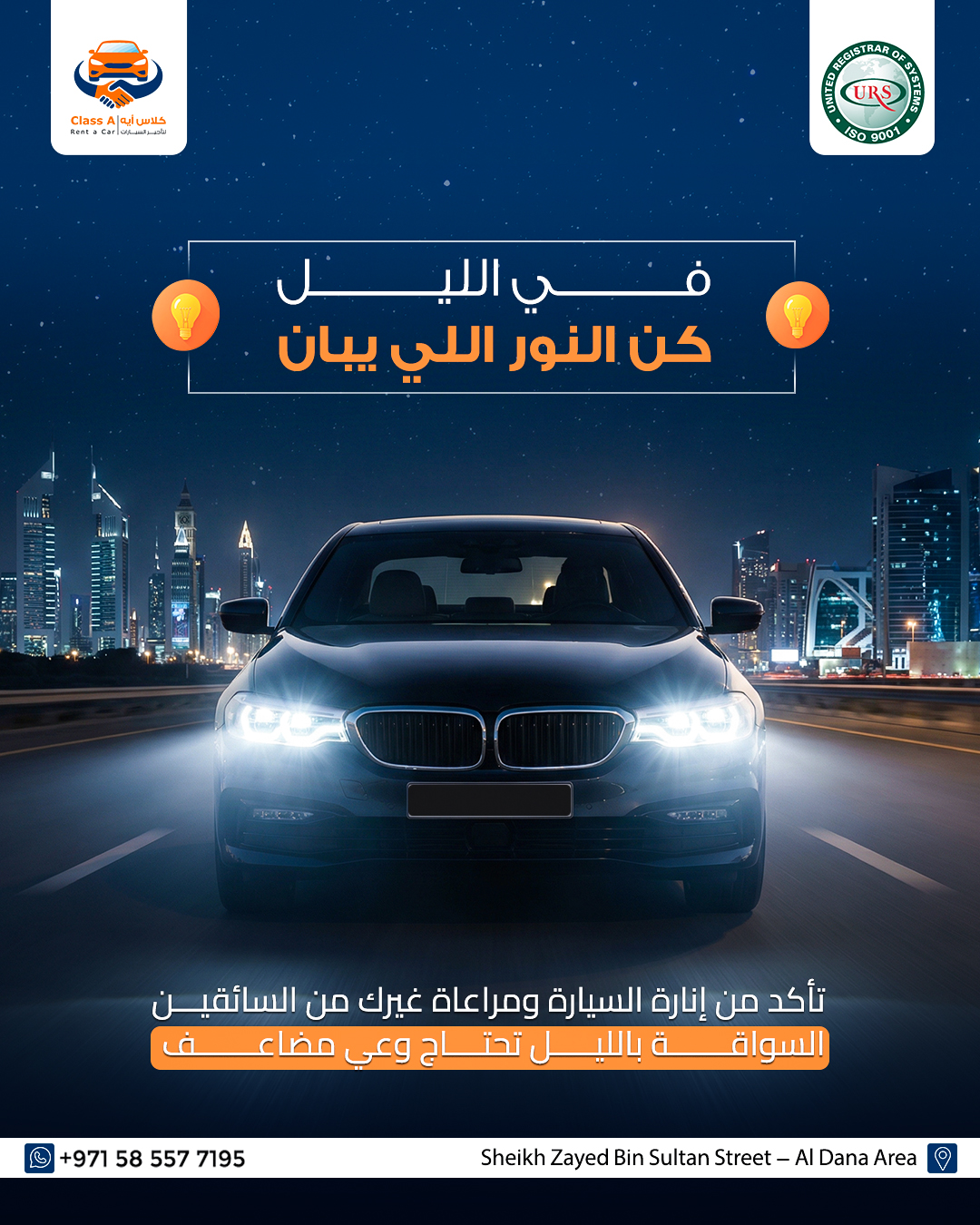
⚖️ Understanding Driving at Night UAE Rules
Driving at night is regulated under UAE Federal Traffic Law, as outlined by the official UAE road safety guidelines. While there is no separate law, responsibility increases significantly.
Driving at Night UAE Rules
- Use headlights properly
- Maintain safe distance
- Stay alert
- Ensure vehicle readiness
💡 Headlights
Driving at Night UAE Rules
Turn on lights from sunset to sunrise and avoid misuse.
⚠️ High Beam
Improper use can blind other drivers and cause accidents.
🚗 Safe Distance
Keep longer distance at night due to low visibility.
🛑 Stay Alert
Fatigue reduces reaction time significantly.
⚠️ Important:
Night driving increases accident risks. Always stay focused and avoid distractions.
⚠️ Common Risks
Driving at night in the UAE requires a higher level of responsibility compared to daytime driving. While UAE traffic laws do not provide a completely separate set of rules for night driving, they emphasize the importance of visibility, vehicle condition, and driver awareness. Roads in cities like Abu Dhabi and Dubai are well-lit, but highways and desert roads may have limited lighting, making it essential for drivers to follow proper safety practices.
- Reduced visibility
- Headlight glare
- Fog or dust
- Unexpected obstacles
One of the biggest challenges of night driving is reduced visibility. Drivers rely heavily on artificial lighting, which can sometimes be misleading or insufficient. Additionally, glare from oncoming headlights can temporarily reduce vision, increasing the risk of accidents. Environmental factors such as fog, dust, or sandstorms can further worsen visibility conditions, especially in open road areas.
👁️ How Vision Changes at Night
One of the most critical aspects of driving at night UAE rules is understanding how human vision changes in low-light conditions. At night, the eyes rely more on peripheral vision, which is less sharp than daytime central vision.
Depth perception becomes weaker, and it becomes harder to judge distances between vehicles. This can lead to delayed reactions, especially when driving at higher speeds on highways.
- Reduced color recognition at night
- Slower reaction to moving objects
- Difficulty judging distances accurately
- Increased sensitivity to bright lights and glare
To compensate for these changes, drivers should reduce speed, avoid distractions, and focus more on road markings and vehicle movements.
📊 Day vs Night Driving
| Factor | Day | Night |
|---|---|---|
| Visibility | High | Low |
| Risk | Moderate | Higher |
| Alertness | Normal | Reduced |
As shown above, night driving significantly increases risks due to lower visibility and reduced alertness. Drivers are more likely to experience fatigue, especially during long drives. This makes it important to adjust driving habits accordingly by reducing speed and increasing focus.
🌙 Night Driving on Highways vs City Roads
Understanding driving at night UAE rules becomes even more important when comparing different road environments. Night driving conditions vary significantly between city roads and highways across the UAE.
In major cities like Abu Dhabi and Dubai, roads are well-lit and clearly marked. However, drivers still need to stay alert due to traffic signals, lane changes, and pedestrian crossings. Urban driving requires constant awareness despite better lighting conditions.
On highways, the situation becomes more challenging. Lighting is often limited, and drivers depend heavily on their vehicle headlights. At high speeds, reduced visibility can make it difficult to detect obstacles or react quickly to sudden changes.
- City roads: better lighting but more traffic interaction
- Highways: lower visibility with higher speeds
- Remote or desert roads: additional risks such as sand or unexpected obstacles
Recognizing these differences allows drivers to adjust their behavior and improve safety while driving at night in the UAE.
🧠 Driver Behavior at Night
Driver behavior plays a critical role in night safety. Many accidents occur due to overconfidence or fatigue. It is important to stay mentally alert and avoid distractions such as mobile phone usage.
- Avoid driving when sleepy
- Stay focused on the road
- Use mirrors effectively
- Be cautious at intersections
- Check headlights according to RTA vehicle safety standards
🚘 Vehicle Preparation for Night Driving
Proper vehicle preparation is essential for safe night driving. Following driving at night UAE rules is not only about driver behavior but also about ensuring your vehicle is fully ready for low-visibility conditions.
Many night-time accidents are caused by preventable vehicle issues such as weak headlights or unclear windshields. These problems may seem minor during the day but can become serious risks at night.
- Ensure headlights and brake lights are functioning correctly
- Clean mirrors and windshield to improve visibility
- Check tire pressure and condition
- Avoid interior lighting that may distract your vision
- Keep emergency tools and equipment in your car
Taking a few minutes to inspect your vehicle before driving can significantly reduce risks and ensure a safer driving experience during night trips across the UAE.
🛡️ Safety Tips
- Check headlights
- Clean windshield
- Reduce speed
- Avoid sudden moves
- Take breaks
🚗 Drive Safe with Class A Rent A Car
Enjoy safe, reliable vehicles perfect for night driving across Abu Dhabi. Book Now