

Legal Requirements for Driving in the UAE: 21 Essential Rules for Safe Driving and Avoiding Violations in Abu Dhabi
Driving in the UAE is not just about operating a vehicle—it is a comprehensive legal responsibility. It begins with driver eligibility, extends through license validity, vehicle registration, and insurance, and ends with full compliance with traffic laws.
Understanding the Legal Requirements for Driving in the UAE helps drivers avoid fines and ensures full compliance with UAE laws.
The more aware a driver is of these requirements, the safer their driving becomes, the clearer their legal standing, and the more stable and comfortable their experience on the road.
Legal Registration
Clear Insurance
Road Safety
Professional Car Rental

Introduction
Legal requirements for driving in the UAE are among the most important aspects to consider before getting on the road. Driving is not only about the practical ability to control a vehicle—it is also about the legal clarity of both the driver and the vehicle.
A valid license, a registered vehicle, proper insurance, and adherence to traffic safety rules all make the difference between a smooth, safe driving experience and one that may lead to violations, legal complications, or insurance disputes in case of accidents.
In Abu Dhabi, where traffic systems are highly organized and daily mobility is essential, this awareness becomes even more important—whether you are driving your own car or renting from a trusted provider like Class A Rent A Car.
= Safer, clearer, and more comfortable driving
First: What Are the Legal Requirements for Driving in the UAE?
- ✔ Valid and appropriate driving license
- ✔ Active vehicle registration
- ✔ Clear and valid insurance
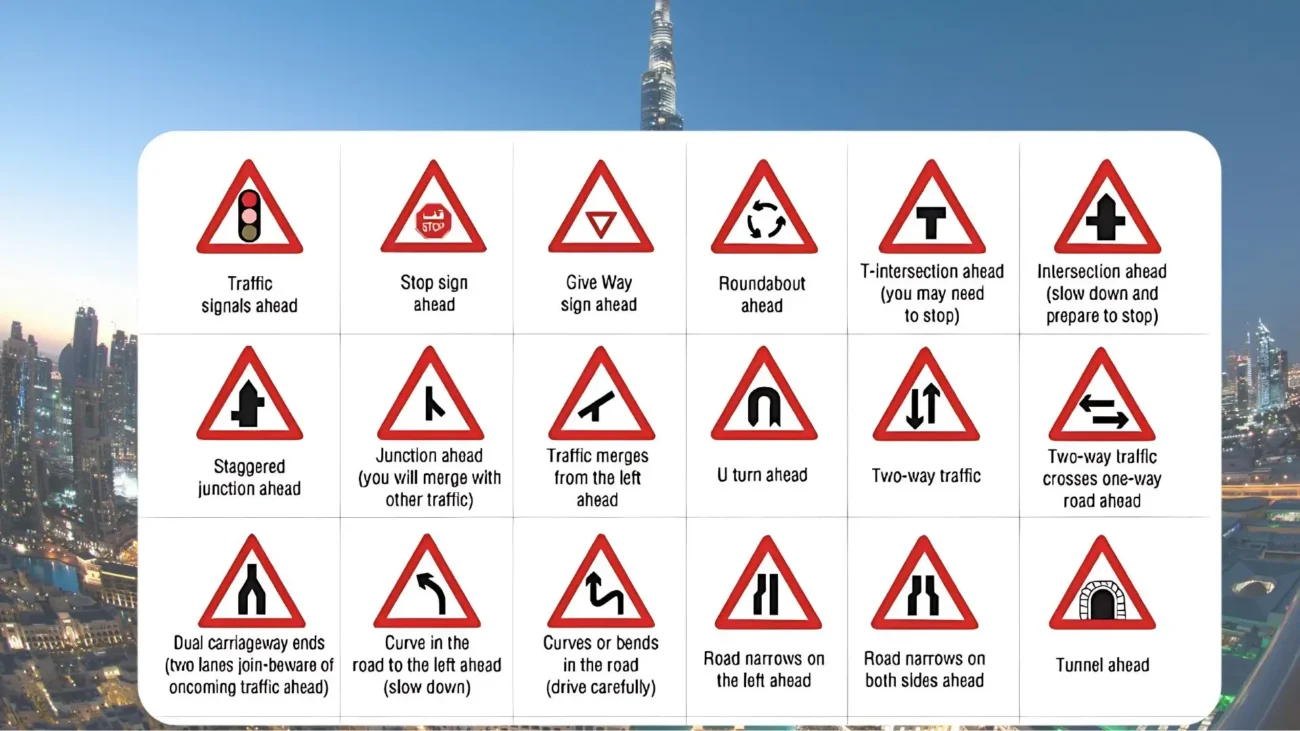
- ✔ Compliance with road safety rules
- ✔ Legal eligibility based on driver status
- ✔ Proper documentation
The Legal Requirements for Driving in the UAE are designed to protect drivers and ensure road safety across all emirates.
Second: Driving License – The Foundation of Legality
A driving license is the primary proof that a driver is qualified. It confirms that the driver has completed the necessary training and passed required tests.
However, having a license alone is not always enough. It must be:
- Valid (not expired)
- Suitable for the vehicle category
- Legally accepted based on the driver’s status
Third: Legal Driving Age by Vehicle Type
| License Type | Legal Age |
|---|---|
| Motorcycles / People of Determination | 17 years |
| Cars / Light Vehicles | 18 years |
| Heavy Vehicles / Tractors | 20 years |
| Buses | 21 years |
Fourth: Required Documents to Open a Traffic File
- Copy of a valid passport
- Copy of residence visa (for residents)
- Emirates ID (original + copy)
- Recent personal photos
- Eye test report from an approved center
- No Objection Certificate (if required)
Fifth: Steps to Obtain a Driving License in the UAE
- Open a traffic file
- Complete an eye test
- Attend theoretical and practical training
- Pass all required tests
- Receive the driving license
Sixth: Legal Requirements for Visitors and Tourists
- International Driving Permit or recognized license
- Valid vehicle documentation
- Active insurance (for private vehicles)
- Compliance with rental company conditions
Eighth: Insurance – Legal and Financial Protection
Insurance is a key component of a stable driving experience.
Start Your Journey with Confidence
With Class A Rent A Car, your journey becomes more professional, smooth, and secure.
UAE Government Driving Rules
For Abu Dhabi services:
TAMM Driving Services
Frequently Asked Questions (FAQ)
Can I drive in the UAE with a foreign license?
Yes, in legally recognized cases, depending on your status.
Is a driving license alone enough?
No. You also need a registered vehicle, valid insurance, and compliance with traffic laws.
Why is insurance important?
It provides financial and legal protection.
Following the Legal Requirements for Driving in the UAE is the key to a safe and legally secure driving experience.